
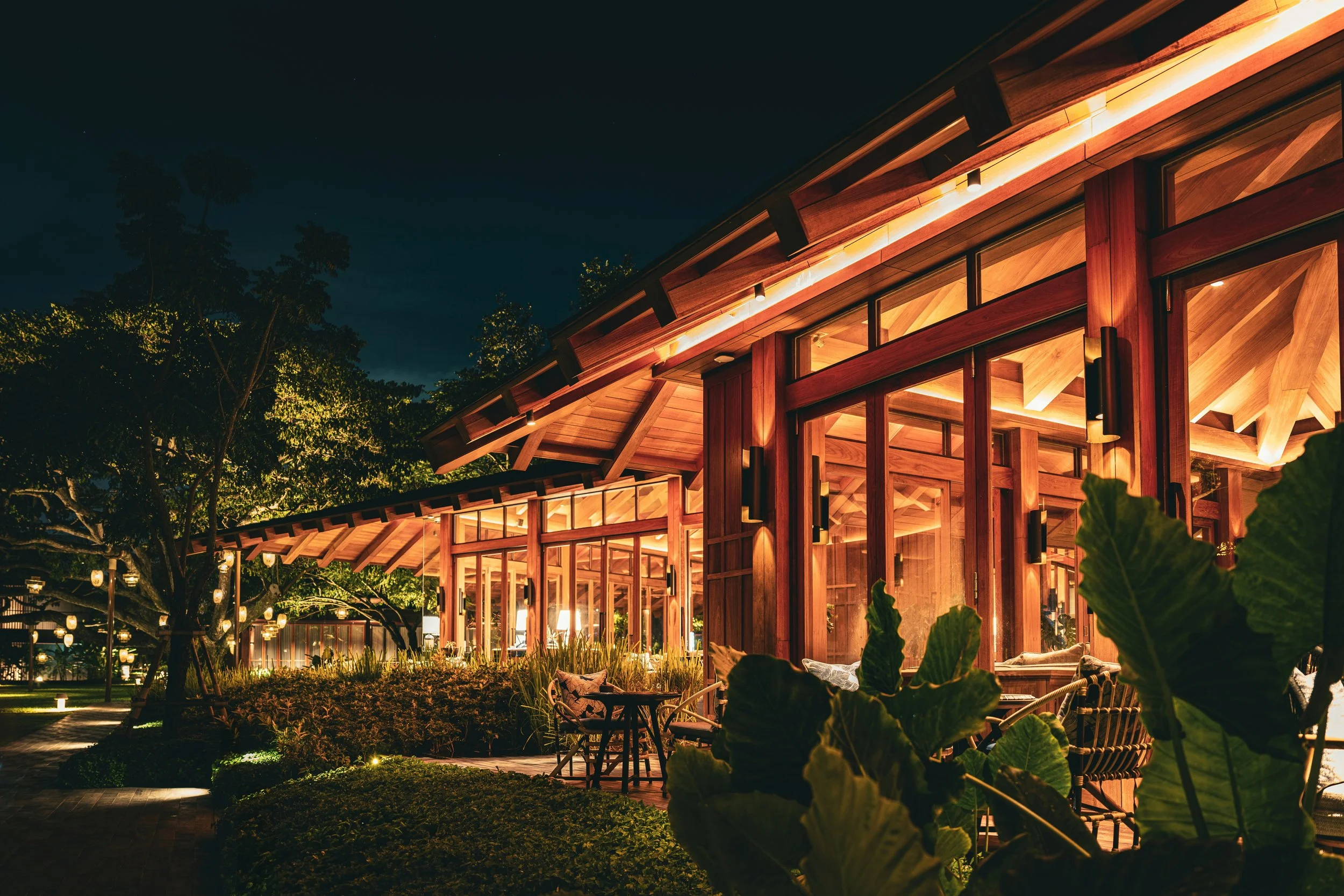
“A way of observing how housing, community, and public space support different life stages.”
— GioiaHappiness
Nomadic as Method
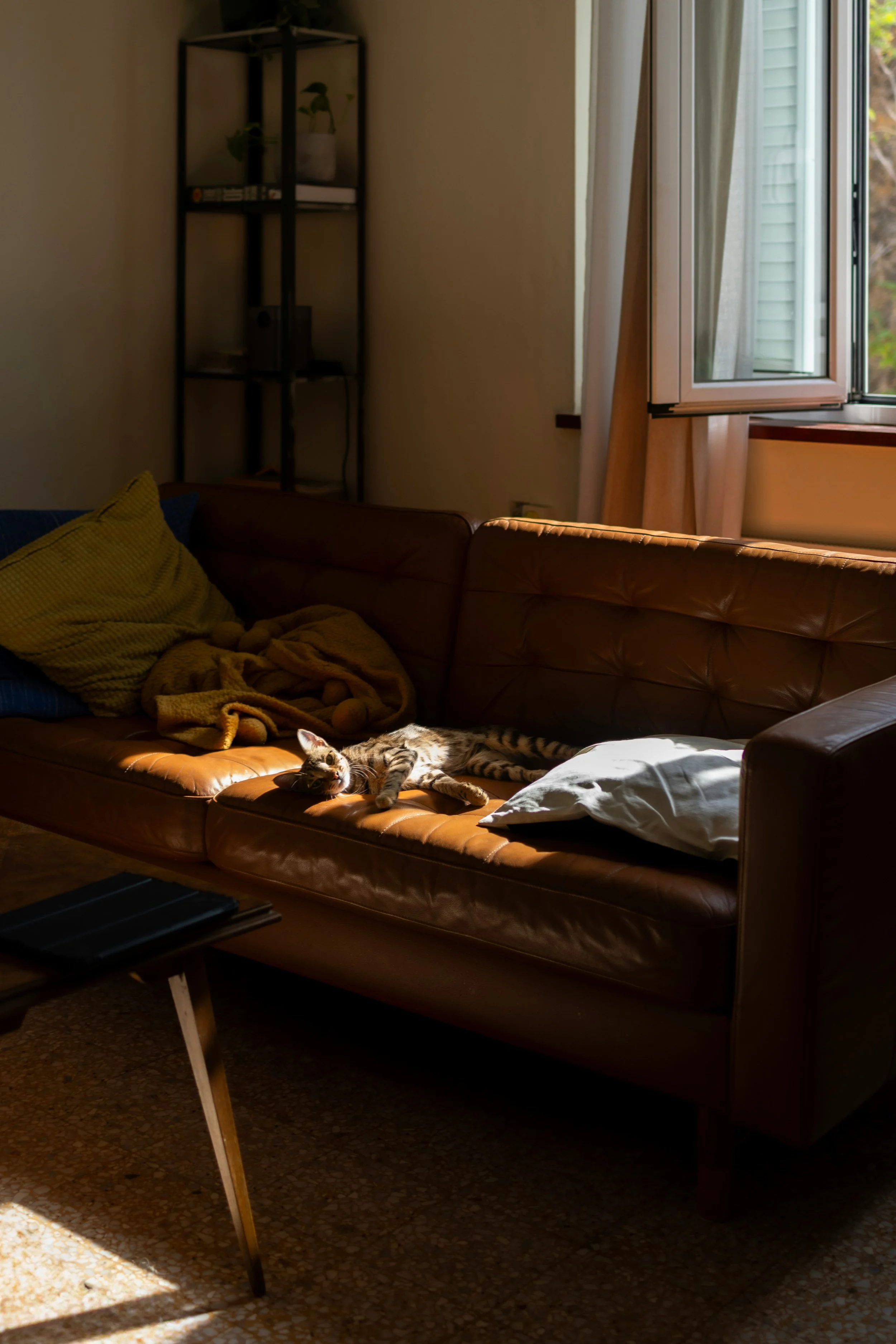
The places we live in quietly shape how we heal, change, and begin again.
By looking at housing, shared spaces, and everyday environments,
Nomadic as Method explores how space becomes part of emotional and social support during different stages of life.
Style
Community Project
Year
01/01/2026
Life Stages In Motion
“They seek spaces that feel safe without being isolating.
Gentle communities and shared spaces support rest, reflection, and slow renewal.”
— 36 y. Gap year
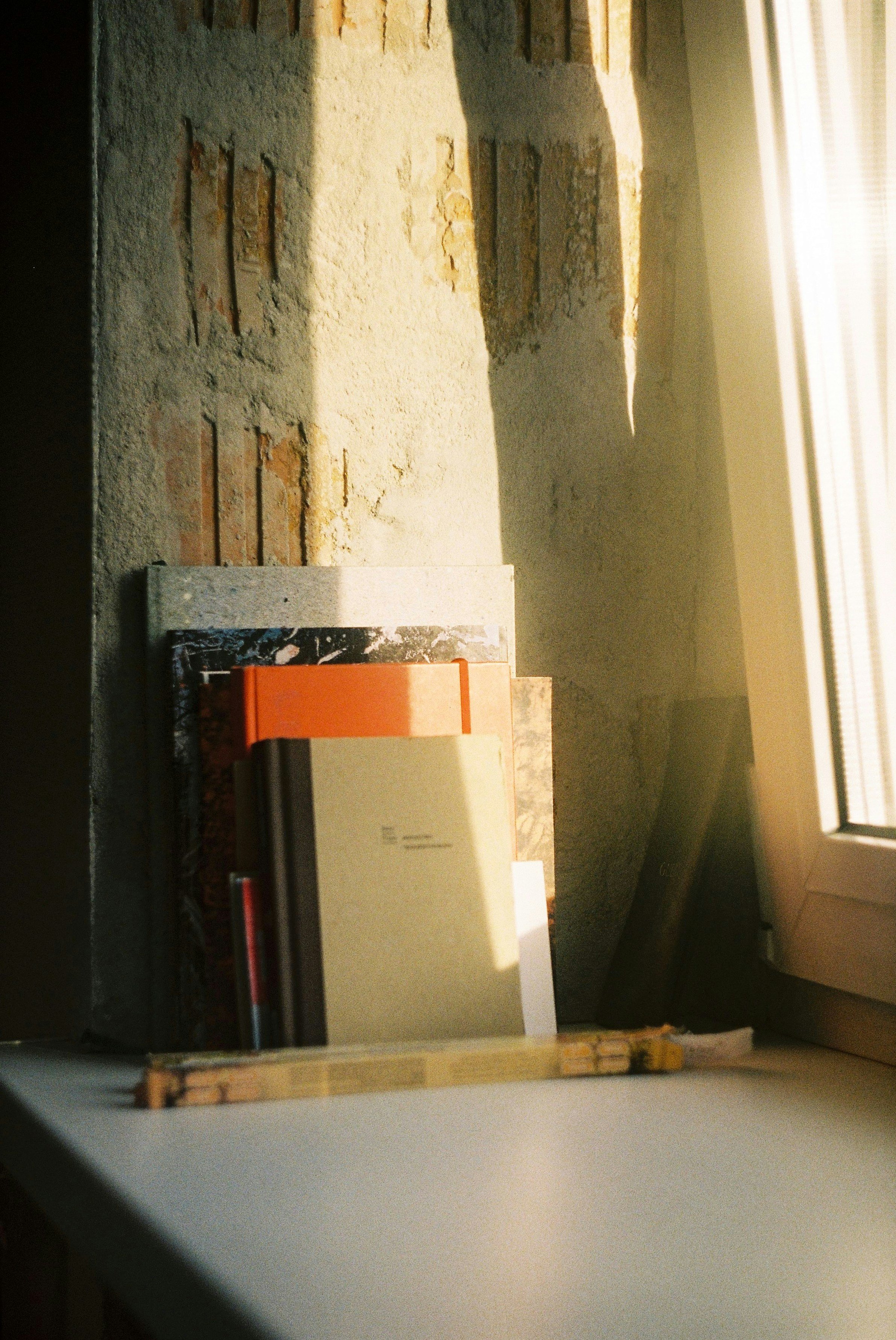
#Transition #Healing
“They look for places that invite movement, ideas, and connection.
Cities and shared tables become spaces to test new paths and expand possibility.”
— 29 y. Self-employed
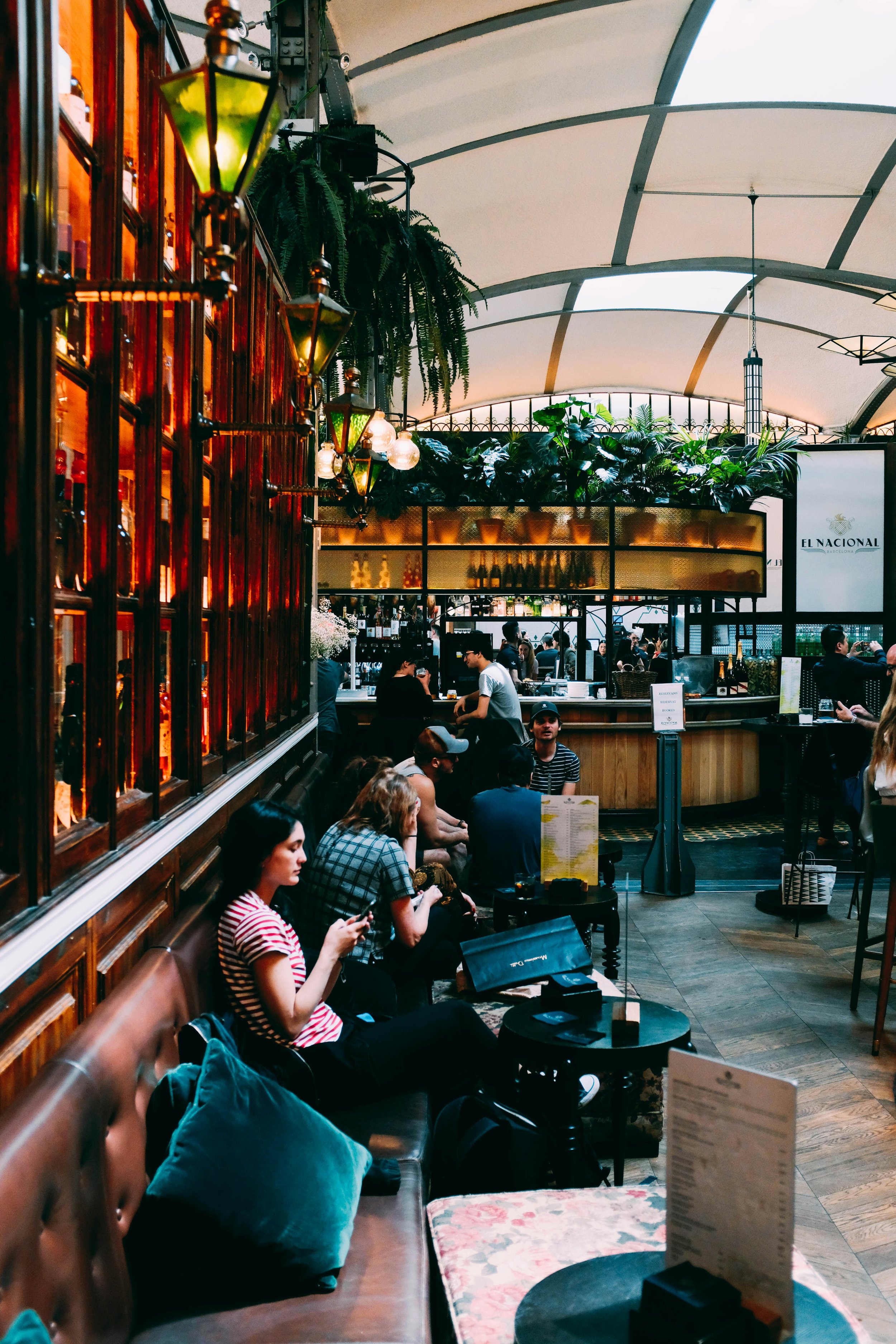
#Expanding #Exploring
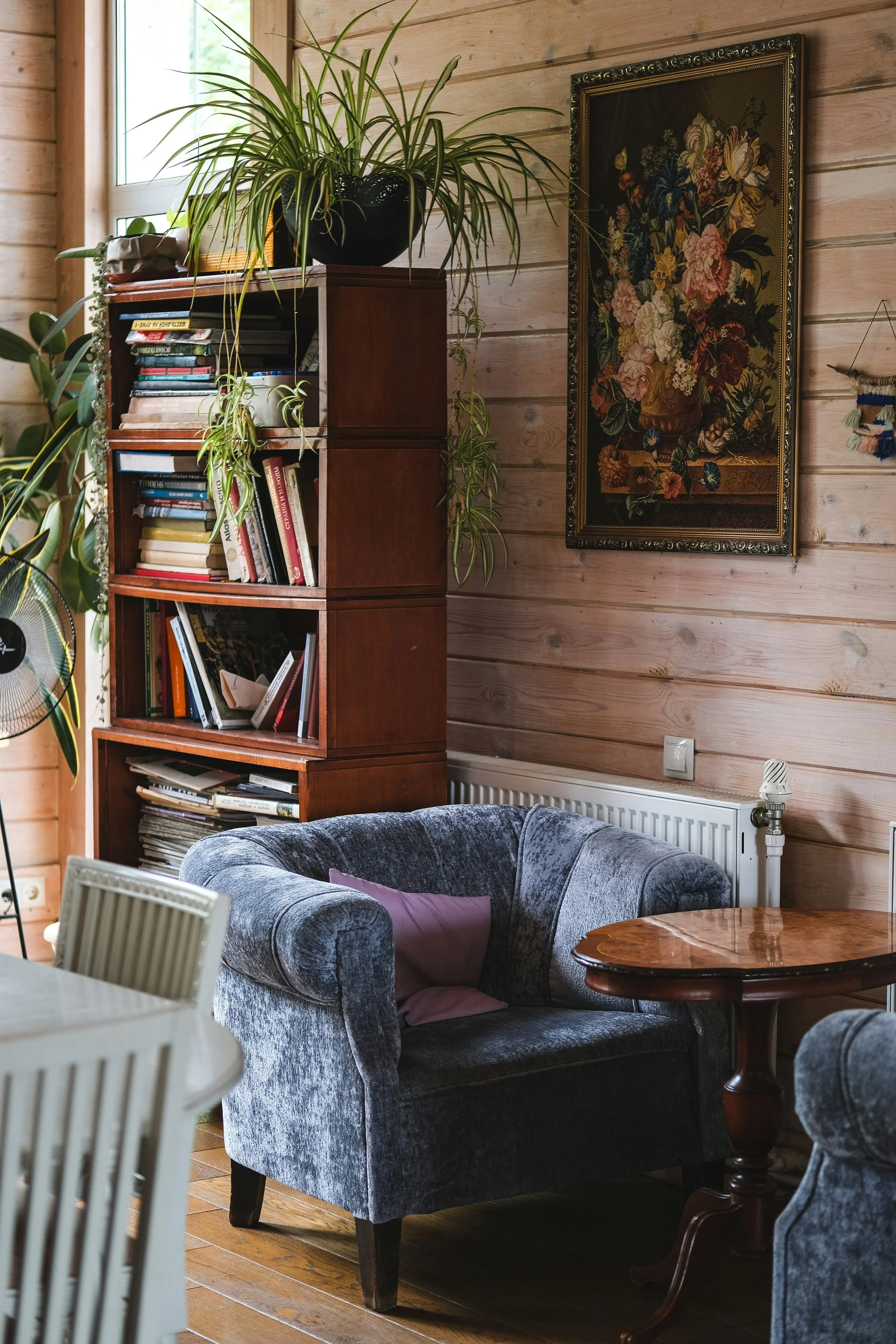
“They value continuity over novelty.
Home is shaped by rhythm, familiar places, and spaces that support focus and care.”
— 42y. Founder
#Stabilizing #Belonging
“Where space meets the needs of becoming.”
— Gioia.K
A Life In Motion—Mapping Life Through Space
-
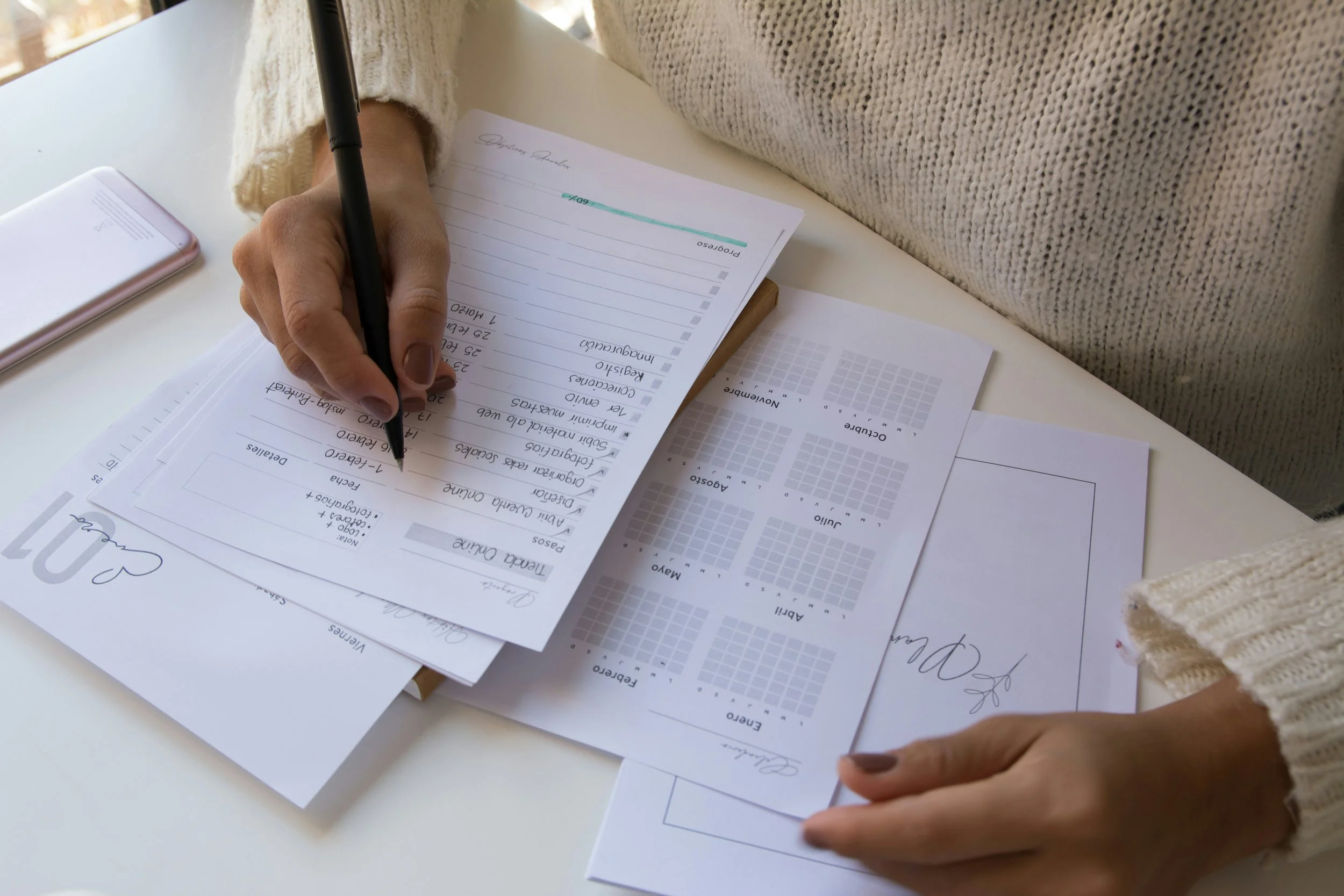
![Person wearing a cream-colored sweater writing on a list or form with a black pen, surrounded by papers, a pink phone, and a wooden clipboard on a white table.]()
City Fit Scorecard
A reflective tool to compare cities and spaces based on emotional, social and practical needs.
-
![Hands working on a flowchart or diagram on a white paper with a marker, a ruler, and color swatches on a wooden table.]()
Five Core Indicators
Five key dimensions that shape daily life: space, community, rhythm, affordability and sense of belonging.
-
![A woman lying on her side, resting her head on her arm, with her eyes closed in a relaxed pose.]()
Body Feedback
Listening to physical and emotional signals such as energy, stress, comfort and resistance as real data for decision-making.
-
![A person wearing a backpack, black hoodie, black pants, and white sneakers walking on a city street with tall buildings around, sunlight, and shadows cast on the pavement.]()
City Style
Understanding cities as personalities rather than destinations: some stabilize, some expand, some challenge, some soften.
-
![Black and white road sign indicating a left curve ahead]()
Life Stage
Recognizing that needs change with time including recovery, transition, exploration or setting each require different spatial and social conditions.




-
Co-living
Micro-housing
Hostels
Shared kitchens
Public cafés
Third spaces
-
How does space support someone in recovery?
What kind of community helps during transition?
How do cities “hold” people differently?