The Life After Us
What remains of us when the person disappears, but their traces continue? The Life After Us explores portraiture through objects, memories and the evidence we leave behind.
Concept Visualization #04
The Question
What continues after we are no longer there?
We leave traces everywhere.
A sentence written by hand.
A voice in a recording.
An object used for years.
A photograph.
A gesture someone remembers.
None of these things is a person.
Yet something of us continues to move through them.
What happens when these traces are encountered by someone else?
And can a portrait exist without ever showing the person?
The Idea
The Life After Us is a participatory archive made from traces of ordinary lives.
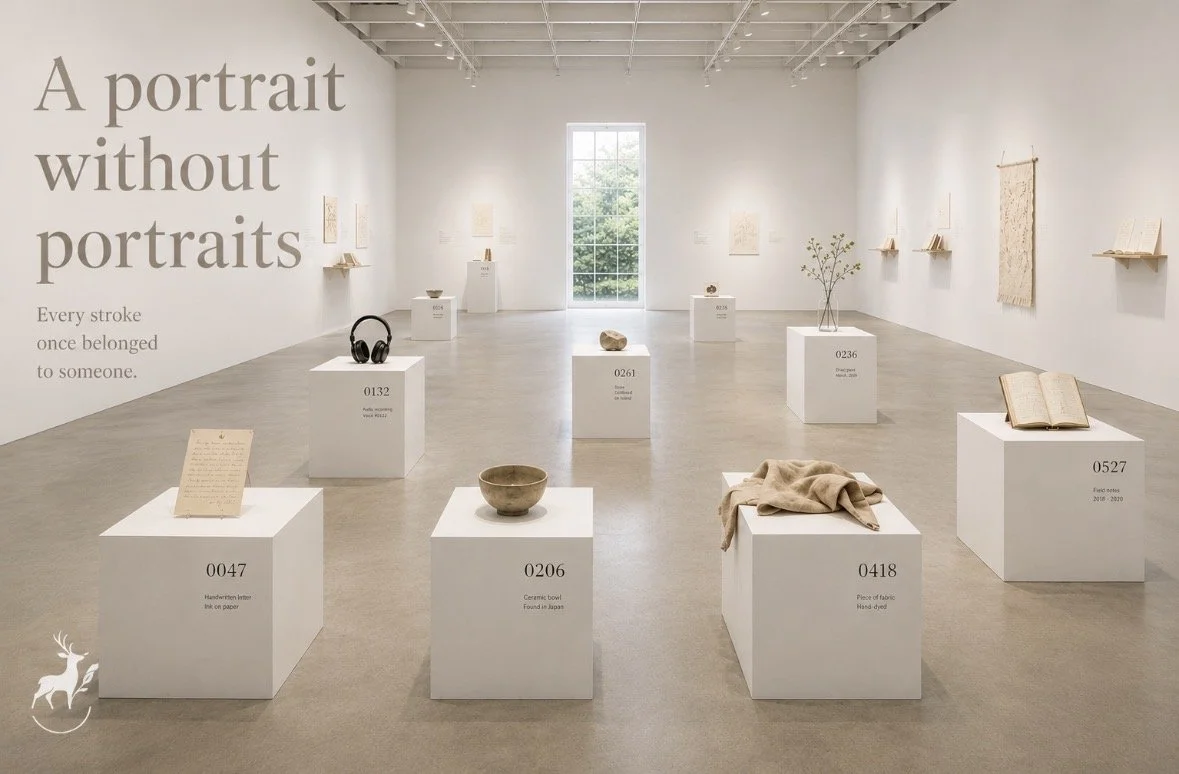
Instead of portraits of faces, visitors encounter fragments:
A handwritten note,
A recording,
A familiar object,
A piece of fabric,
A drawing,
A sentence,
A sound.
Each fragment is given a simple code rather than a person’s identity.
Visitors can listen, read, touch, observe or simply spend time with what they find.
If something moves through them, they are invited to respond.
A word may become a drawing.
A recording may awaken a memory.
Someone else’s sentence may become the beginning of another person’s story.
The response then becomes another trace in the archive.
A portrait is no longer something we look at.
It becomes something that continues.
Why
We usually think of a portrait as a way of preserving a person.
A face.
A name.
A biography.
But perhaps a person also exists through the countless small things that pass through other lives.
The way someone speaks may change how another person thinks.
An object may outlive its owner.
A sentence written years ago may suddenly mean something to a stranger.
We rarely know how far these traces travel.
The Life After Us asks whether identity can be understood not only through who we are,
but through what continues because we were here.
How It Works
1. Encounter a Trace
Visitors enter a space containing fragments from different lives.
There are no conventional portraits and very little biographical information.
Each trace carries only a code:
0047
0132
0206
0236
0271
You do not begin by knowing who someone was.
You begin with what they left.
2. Take What Moves Through You
Visitors are free to explore the archive.
They might put on headphones.
Read a handwritten note.
Hold an object.
Look through a notebook.
Listen to someone’s voice.
There is no requirement to understand everything.
The invitation is simply:
Take what moved through you.
3. Let It Become Something Else
An encounter may produce a response.
A thought.
A memory.
A word.
A drawing.
A question.
A visitor who encounters trace 0271, for example, might leave behind one word:
LOVE
The response does not need to explain the original trace.
It records what the encounter became inside someone else.
4. Leave What It Became
The visitor’s response returns to the archive.
It receives its own place among the existing traces.
What began with one person has now passed through another.
Leave what it became.
The archive grows not by collecting more information about people, but by recording how traces continue to change.
5. Enter the Living Code
Over time, the archive becomes a constellation of connections.
0047 → 0271 → LOVE → another response → another person
Visitors may see these relationships represented as an evolving visual network.
No single trace tells the whole story.
Together, they reveal how one life can quietly move through many others.
A Portrait Without Portraits
Eventually, the codes and responses can be gathered into a shared book or digital archive.
A bowl.
A melody.
A handwritten sentence.
A flower.
LOVE.
None is a portrait by itself.
Together, they form something closer to one:
a portrait made from what passed between people.
Possible Locations
Museum or gallery
Libraries and archives
University
Community space
Festival
Community Square
Public cultural spaces
Memory and oral-history projects
Artist residency
Temporary exhibitions
Design Principles
✓ Participatory
✓ Evolving
✓ Open-ended
✓ Multi-sensory
✓ Anonymous before biographical
✓ Human-scale
✓ Trace-based
✓ No single interpretation
Experience Intention
To explore how one life can continue inside another.
The project is not designed to reconstruct a complete person.
Instead, it asks what happens when fragments of one life enter another person’s experience.
Perhaps what remains of us is not a perfect record of who we were.
It is something less complete and more alive.
Something remembered differently.
Something reinterpreted.
Something carried forward.
What We’re Exploring
Can a portrait exist without showing a person?
What happens when a trace is separated from the identity that created it?
When does remembering become creating?
Can one person’s experience continue through someone else’s?
Possible Extensions
The Living Archive
The physical installation could develop into a growing digital archive where traces and responses remain connected over time.
Across Places
A trace left in one city could be encountered and transformed by someone in another, allowing the archive to travel without moving the original person or object.
Across Generations
Family or community archives could allow objects, handwriting, recordings and memories from different generations to enter the same evolving system.
AI & Reconstruction
A later experiment could explore what happens when AI attempts to interpret or reconstruct a person from incomplete traces and where the boundary lies between evidence, interpretation and invention.
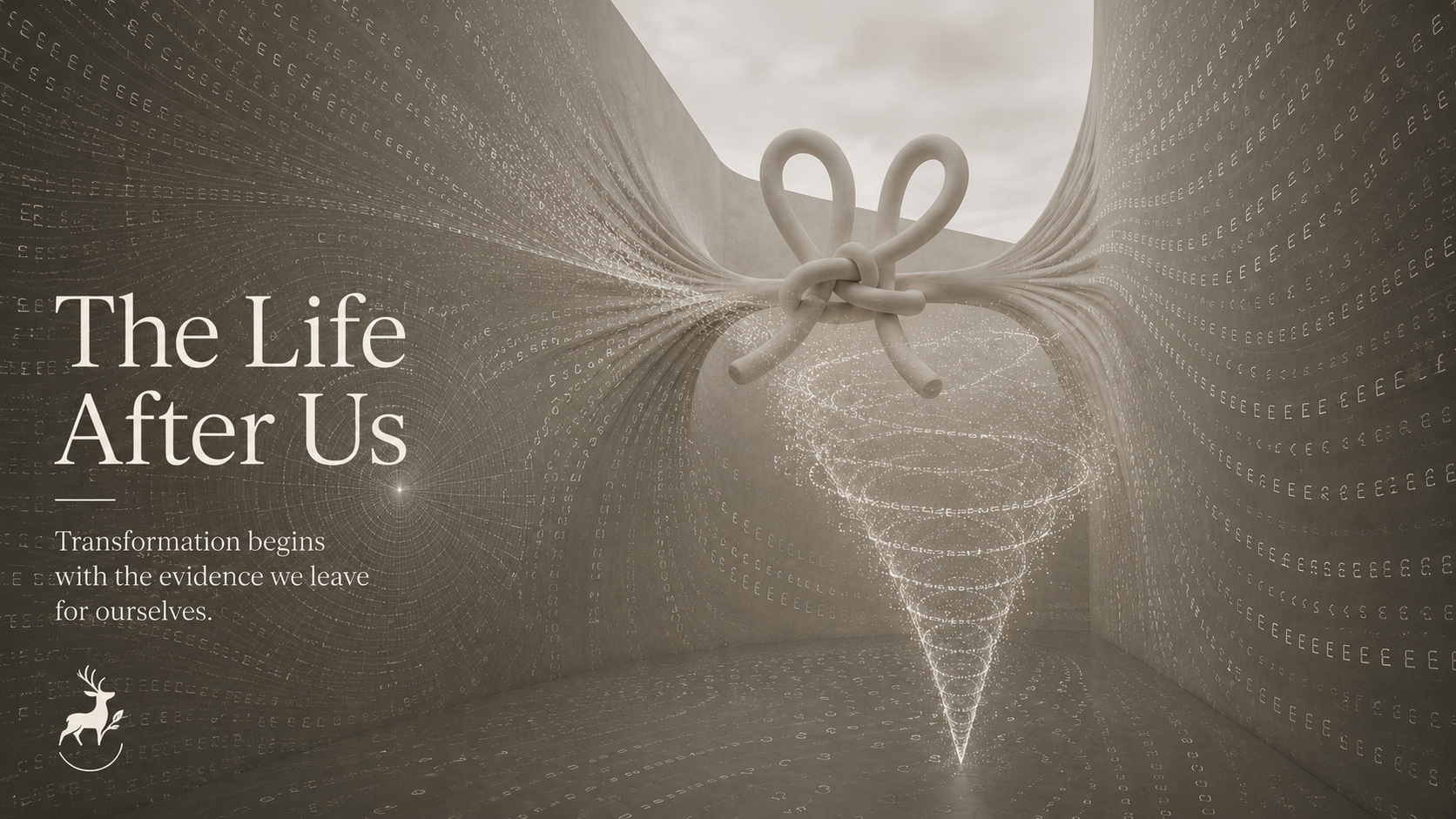
A conceptual digital artwork for The Life After Us
Leave Your Trace
What happens when an artwork belongs to no single artist? Leave Your Trace is a participatory installation shaped, altered and continued by everyone who passes through.
Concept Visualization #03
The Question
What if transformation wasn’t something we experienced alone?
The Idea
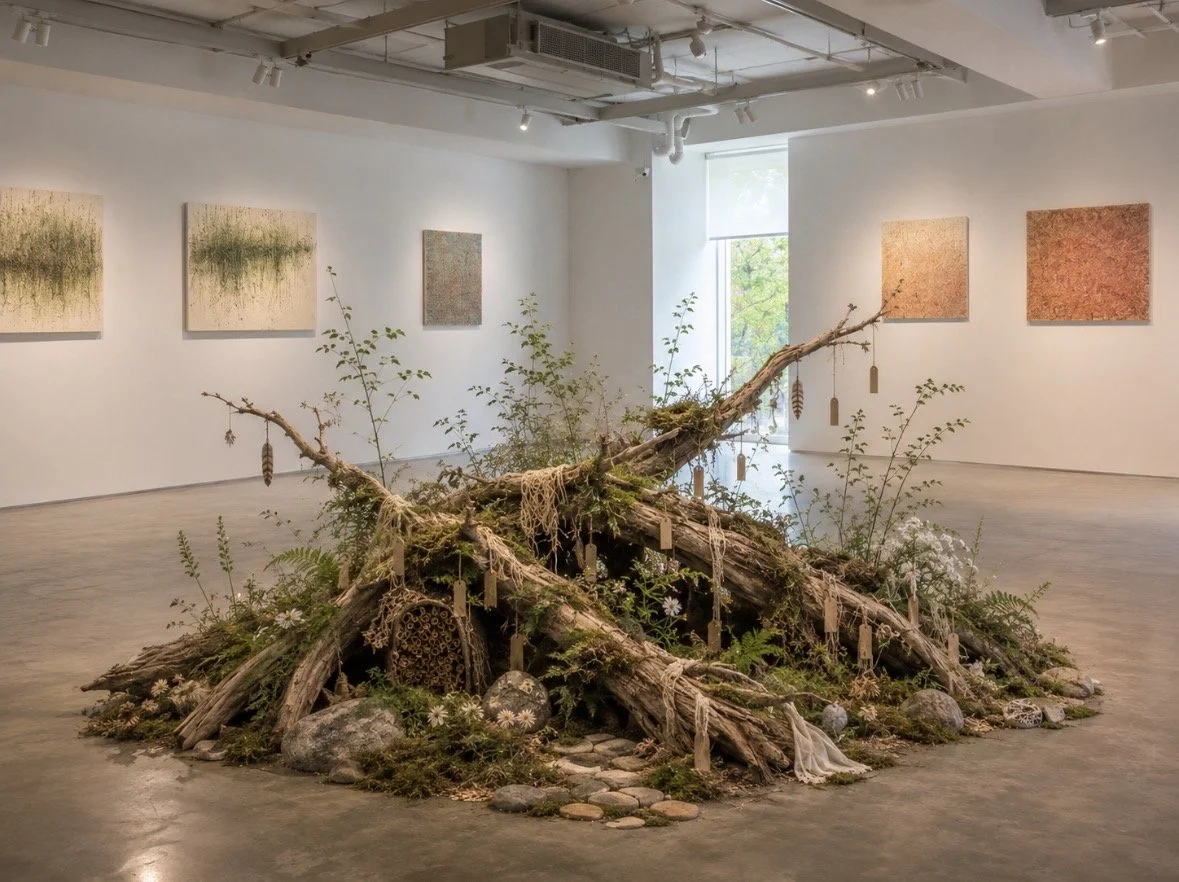
A participatory installation that begins with a simple structure made from fallen branches, plants, stones and natural materials.
There is no finished artwork.
Visitors are invited to touch it, rearrange it, repair it, add to it, or leave something behind.
One person may tie two branches together.
Another may add a flower.
Someone else may move a stone, repair what has fallen, or leave a small trace.
Each gesture changes what the next person encounters.
The installation slowly becomes something no single person designed.
Why
Transformation rarely happens in isolation.
We inherit environments shaped by people who came before us, and our own actions quietly shape what others encounter next.
Yet we often imagine transformation as something deeply individual:
my growth.
my healing.
my change.
This installation makes another possibility visible.
Perhaps transformation is also relational.
Something moves through us, changes form, and continues through someone else.
How It Works
1. Encounter
Approach the installation as it has been left by others.
Nothing is explained beyond a simple invitation:
There are no rules.
Leave your trace in your own way.
2. Respond
Notice what draws your attention.
A loose branch.
An empty space.
A flower.
Something broken.
Something unfinished.
3. Transform
Add, remove, repair, rearrange or simply touch something.
There is no correct contribution.
4. Leave
Walk away without returning the installation to how you found it.
Your version becomes the starting point for someone else.
5. Continue
The next participant encounters what remains and decides what it might become next.
Possible Locations
Museum or gallery
Public garden
University
Community space
Festival
Community Square
Festival
Retreat
Artist residency
Cultural centre
Nature-based venue
Temporary public installation
Design Principles
✓ Participatory
✓ Evolving
✓ Open-ended
✓ Collective
✓ Temporary
✓ Natural Materials
✓ No Correct Outcome
✓ Easy to Reinterpret
Experience Intention
To make transformation visible as something we create together.
Not everyone arrives at the same moment.
Not everyone leaves the same kind of trace.
But each person encounters something shaped by those who came before
and leaves something different for those who come next.
What We’re Exploring
When does participation become authorship?
Can an artwork hold the traces of people who are no longer present?
How does our behaviour change when we know someone else will inherit what we leave behind?
Can transformation become something collective rather than individual?
Possible Extensions
The Trace
Participants could leave anonymous notes, symbols or small tags recording what they changed or why.
The Archive
Photographs taken throughout the installation could document its transformation over time rather than preserving only the final form.
Carrying the Trace
Visitors could receive a postcard showing one previous version of the installation.
What they take away would therefore not be the finished artwork, but one moment in its life.
The Next Life
After the public installation ends, parts of the structure could remain outdoors and gradually become shelter, habitat or material for new growth.
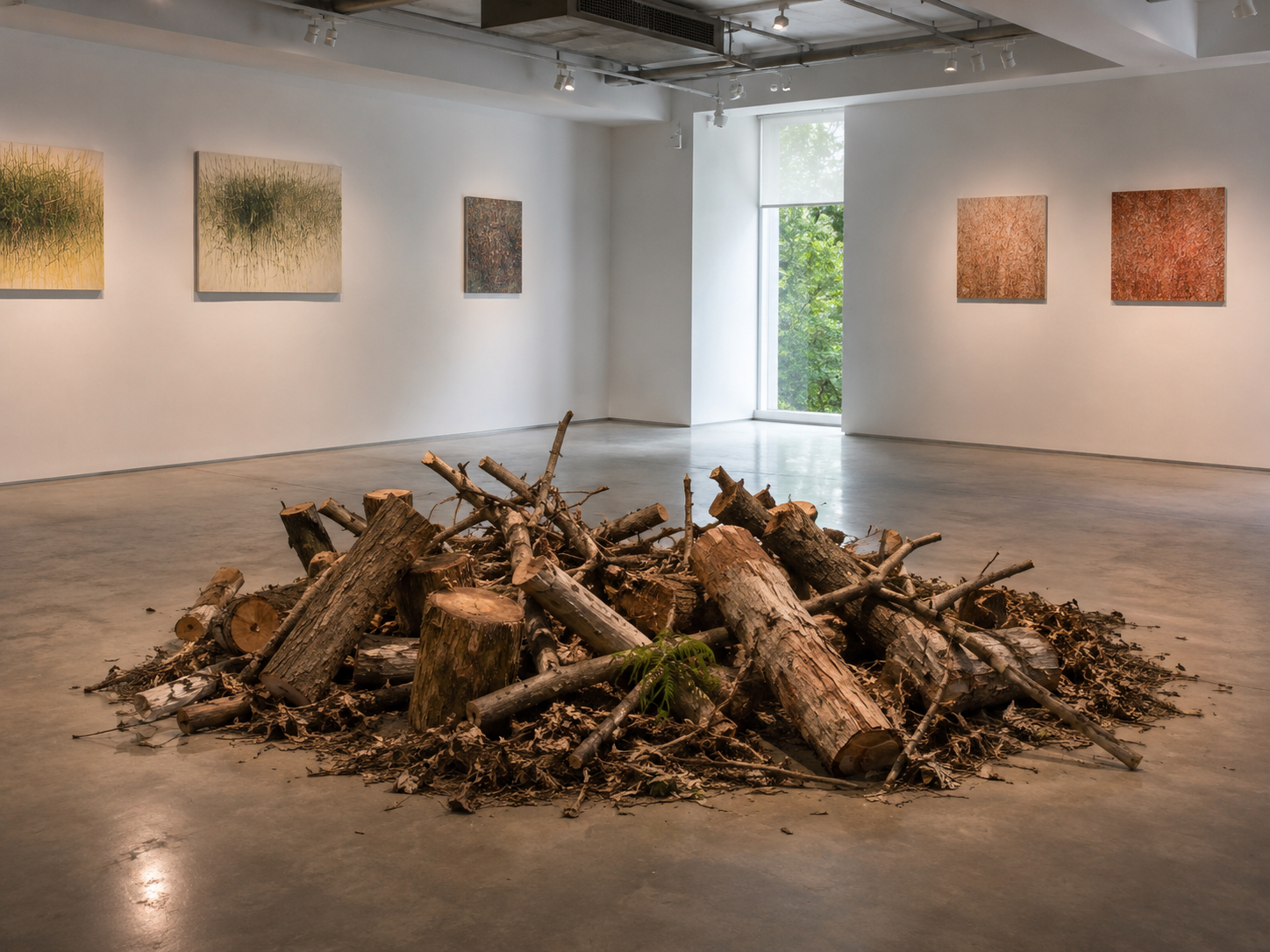
Before participation — a structure waiting to be changed.
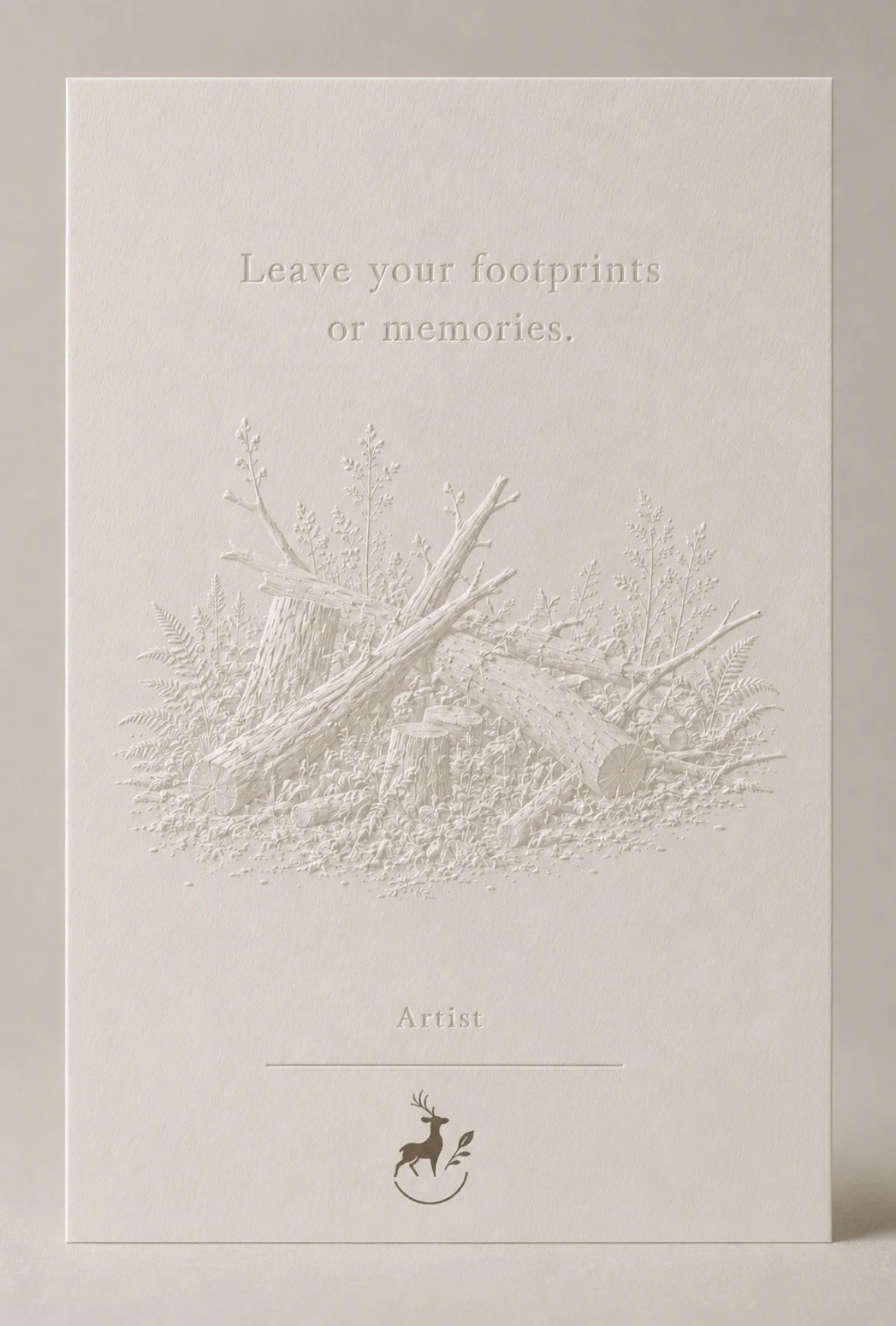
An artwork with no single artist, shaped by everyone.
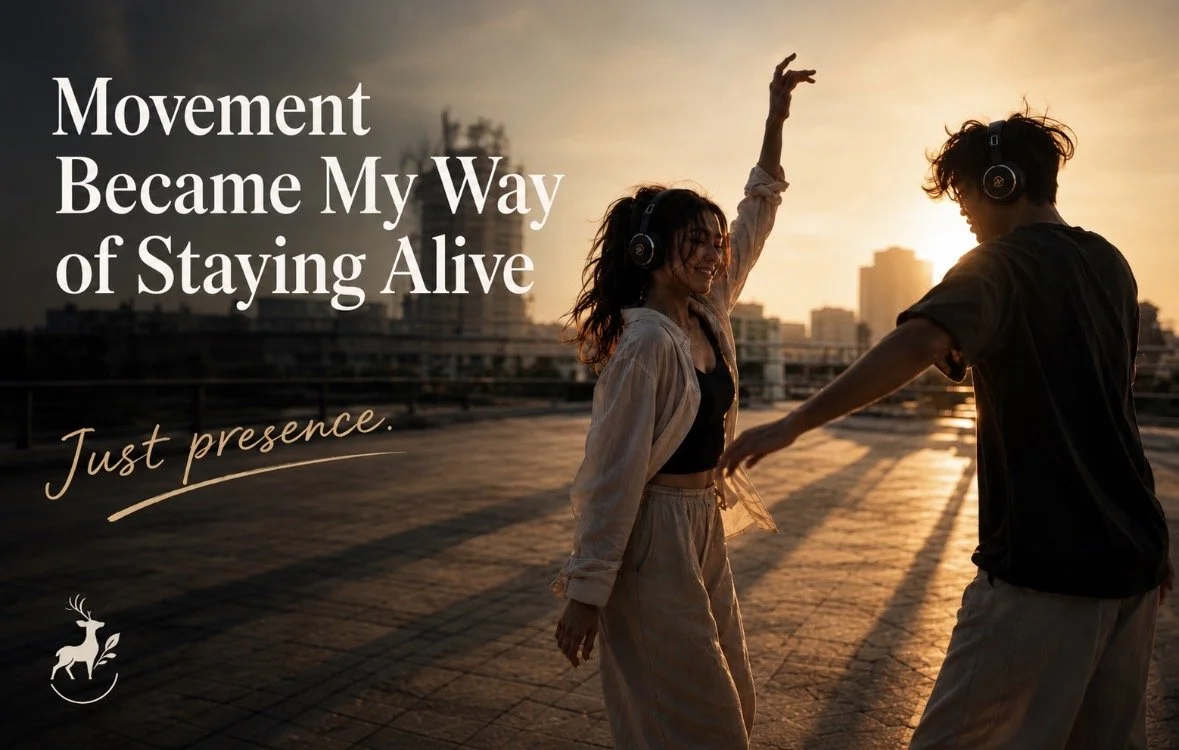
Two Headphones
A human experience design concept exploring how shared movement and music can transform public spaces into places of quiet connection. Two Headphones invites strangers to meet without conversation only presence.
Concept Visualization #02
The Question
What if connection could begin without conversation?
The Idea
A simple public installation holding two pairs of headphones.
Take one.
Wait.
If someone else joins,
press play.
Move.
Ten minutes.
No introductions.
No expectations.
Just presence.
Why
Many people are looking for connection, but very few spaces make connection feel safe.
This concept explores whether synchronized movement can become
a quieter language than conversation.
How It Works
1. Take One
Choose one pair of headphones.
2. Wait
Stay for a moment.
If another person joins, invite them silently by putting on your headphones.
3. Press Play
The same song begins for both people.
No instructions.
No choreography.
4. Move
Move however feels natural.
Dance.
Walk.
Sway.
Stand still.
There is no right way.
5. Continue
When the music ends, simply continue your day.
No introductions required.
Possible Locations
Airport
Park
Museum
University
Festival
Community Square
Public Library
Hotel Lobby
Coliving Space
Design Principles
✓ Human Scale
✓ Temporary
✓ Low Cost
✓ Public
✓ Playful
✓ Inclusive
✓ Repeatable
✓ Easy to Prototype
Experience Intention
To create a moment of connection that asks nothing from the participants except presence.
No conversation.
No performance.
No shared background.
Just a few minutes of existing in the same rhythm.
What We’re Exploring
Can synchronized movement increase feelings of connection between strangers?
How much interaction is needed before people begin to feel connected?
Can music become a shared language when words feel unnecessary?
What happens when public space invites presence instead of performance?
Possible Extensions
Airport Edition
Museum Edition
Festival Edition
Morning Commute Edition
University Welcome Week
Corporate Wellbeing
Coliving Community
Retreat Experience
Possible Extensions
This concept emerged while exploring the relationship between movement, nervous-system regulation, and belonging.
It grew from a simple question:
Can movement become a public language for connection?
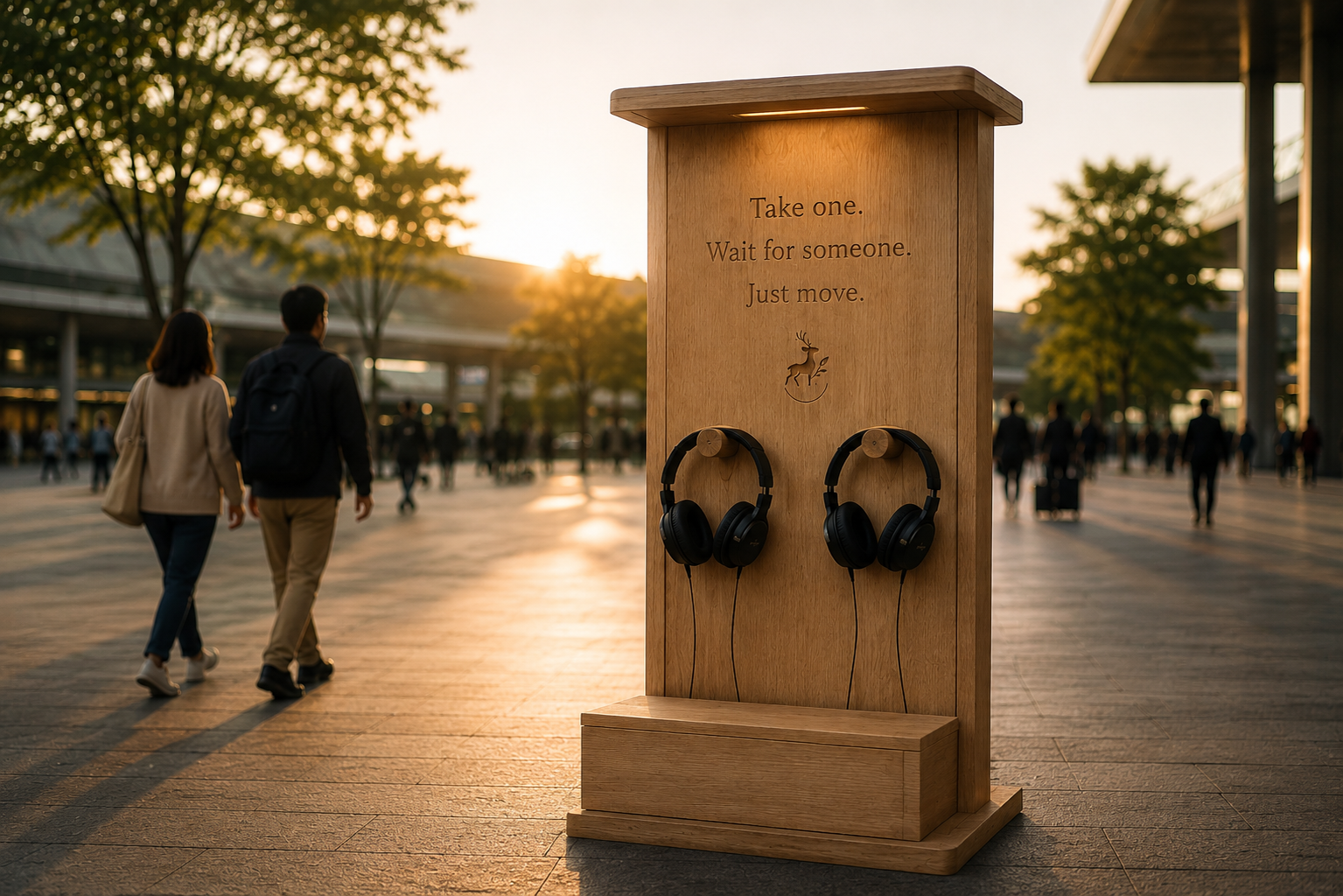
A public installation inviting strangers to connect through movement.
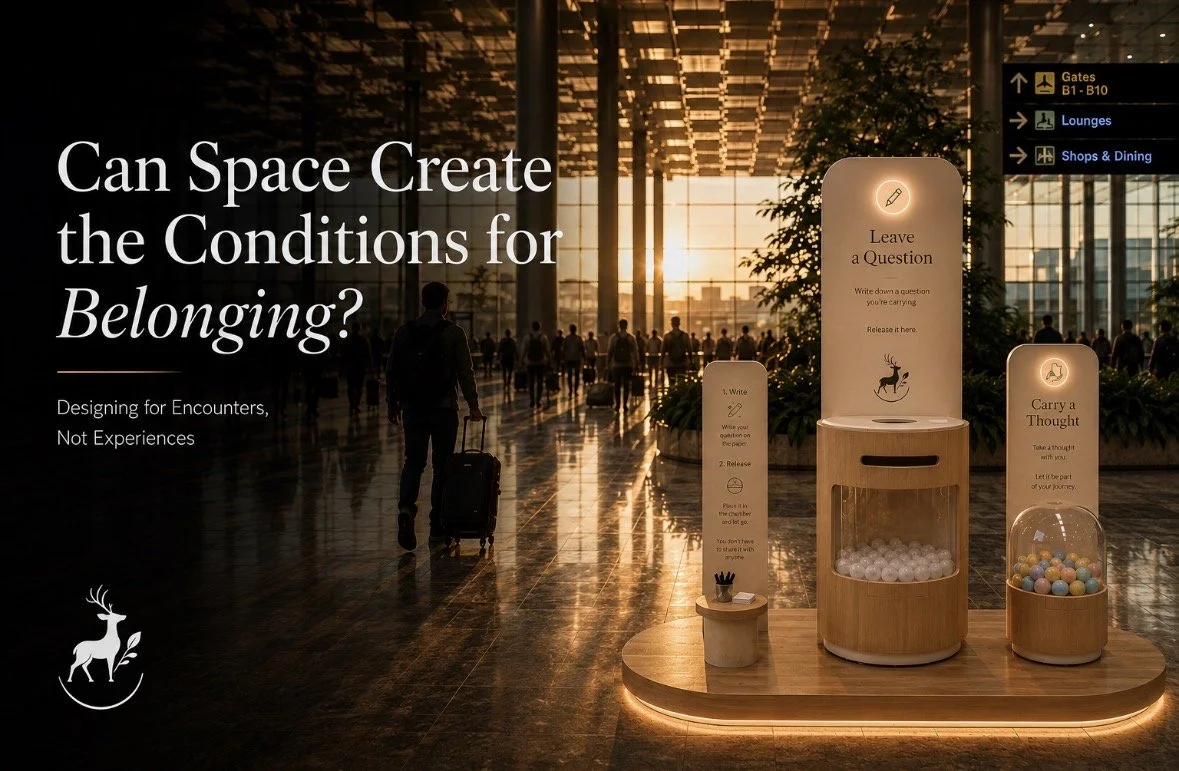
Leave & Carry
Visual concept for Leave & Carry, exploring how human experience design can transform airports and public spaces into places of reflection, belonging, and emotional transition.
Concept Visualization #01
The Question
What if every transition offered a small ritual to help us let go and begin again?
The Idea
A simple public installation inviting people to pause during moments of transition.
Leave one thought.
Carry another.
Continue your journey.
No instructions beyond that.
Just a quiet invitation to reflect before moving on.
Why
Transitions often ask us to leave something behind,
yet few public spaces acknowledge that emotional process.
This concept explores whether a small ritual can help people feel more grounded, supported, and connected during times of change.
Sometimes what we need isn’t an answer.
Just a moment to pause.
How It Works
1. Notice
Pause for a moment.
2. Leave
Write down one thought, feeling, or burden you’re ready to leave behind.
Place it inside the installation.
3. Carry
Take one anonymous note left by someone else.
Carry it with you.
4. Continue
Return to your journey.
Possible Locations
Airport
Train Station
Library
Museum
University
Bookstore
Hotel Lobby
Community Space
Retreat
Design Principles
✓ Human Scale
✓ Temporary
✓ Anonymous
✓ Reflective
✓ Public
✓ Participatory
✓ Low Cost
✓ Easy to Prototype
Experience Intention
To remind people that transition is something we move through together.
Not by receiving advice,
but by realizing someone else has carried something similar.
Possible Extensions
Seasonal installations
Airport edition
Graduation edition
Moving to a new city
Hospital & recovery spaces
Coliving communities
Festivals
Public exhibitions
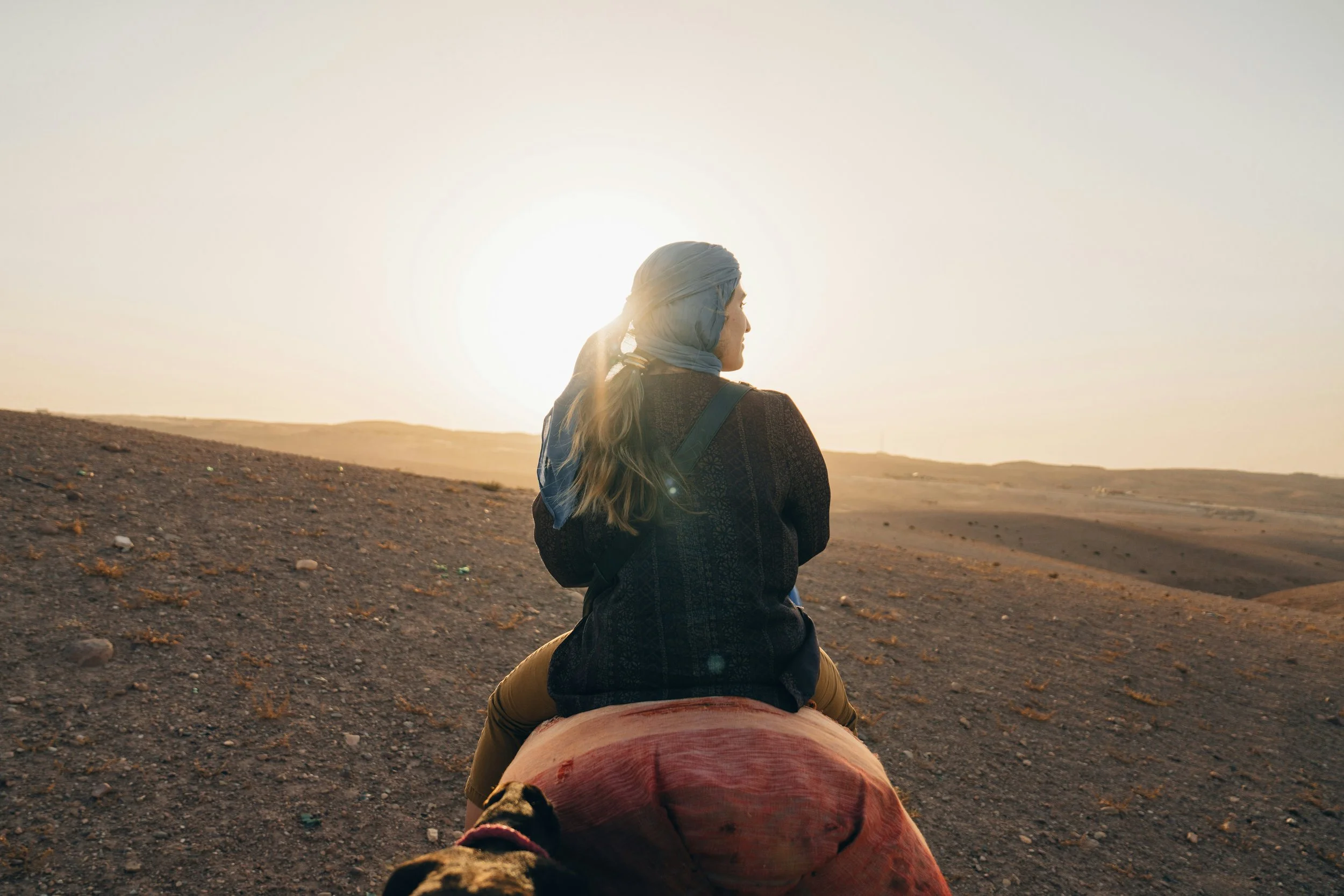
A Nomadic Mindset Is Not About Travel
A solo traveler sits on a camel in the desert at golden hour, gazing toward the horizon, capturing a moment of stillness, freedom, and self-discovery.
When people hear nomadic mindset, they often think of movement or travel.
For me, it’s something quieter and deeper:
A nomadic mindset is dynamic, flexible, and growing.
I grew up in a culture that valued stability and certainty.
A steady path, predictable progress, and clear definitions of success were considered the ideal. Yet from an early age, I found myself questioning whether one fixed answer could truly fit an entire life.
That curiosity became the first seed of my nomadic mindset.
During my school years, my curiosity showed up through artsuch as drawing, creating, exploring. Although I paused those explorations, the sense of fulfillment creativity gave me never disappeared.
Years later, I realized that different forms of expression reflect different stages of who we are.
Each return to creativity wasn’t a repetition of the past, but a rediscovery — a new way of seeing myself at a different point in life.
Over more than ten years of cross-cultural and cross-functional work, I learned that I thrive in change. I enjoy learning new skills, adapting to dynamic environments, and building new possibilities.
In environments with no growth, I slowly lost myself until I chose to rebuild.

A Journey of Soul: Rooted In Love, Growing Through Change
A story about returning to myself through love, loss, and the quiet shifts that change everything.
After attending the ecstatic dance festival in Amsterdam, I found myself drawn to a concert on the other side of the city. The evening began with Prayer of the Mothers and unfolded into Women of the World Unite, a movement that has traveled across borders through the voice of Yael Deckelbaum — an Israeli-Canadian singer, songwriter, and activist.
During an interview, someone asked her:
“ Can you give us some insight into when this big idea of uniting women around the world began? ”
Her answer stayed with me:
It was never an idea. It’s more like something in my DNA — it’s beyond an idea.
I had spiritual experiences, spiritual awakenings. What I really connected to in that moment was something higher, something I felt deeply. And then I knew “ I needed to go out and make peace.”
That response made me pause. It reminded me of a question I often ask myself:
“ What big change did you make to transform your life? ”
For me, the answer circles back to three words: mindset, experience, and self-belief.
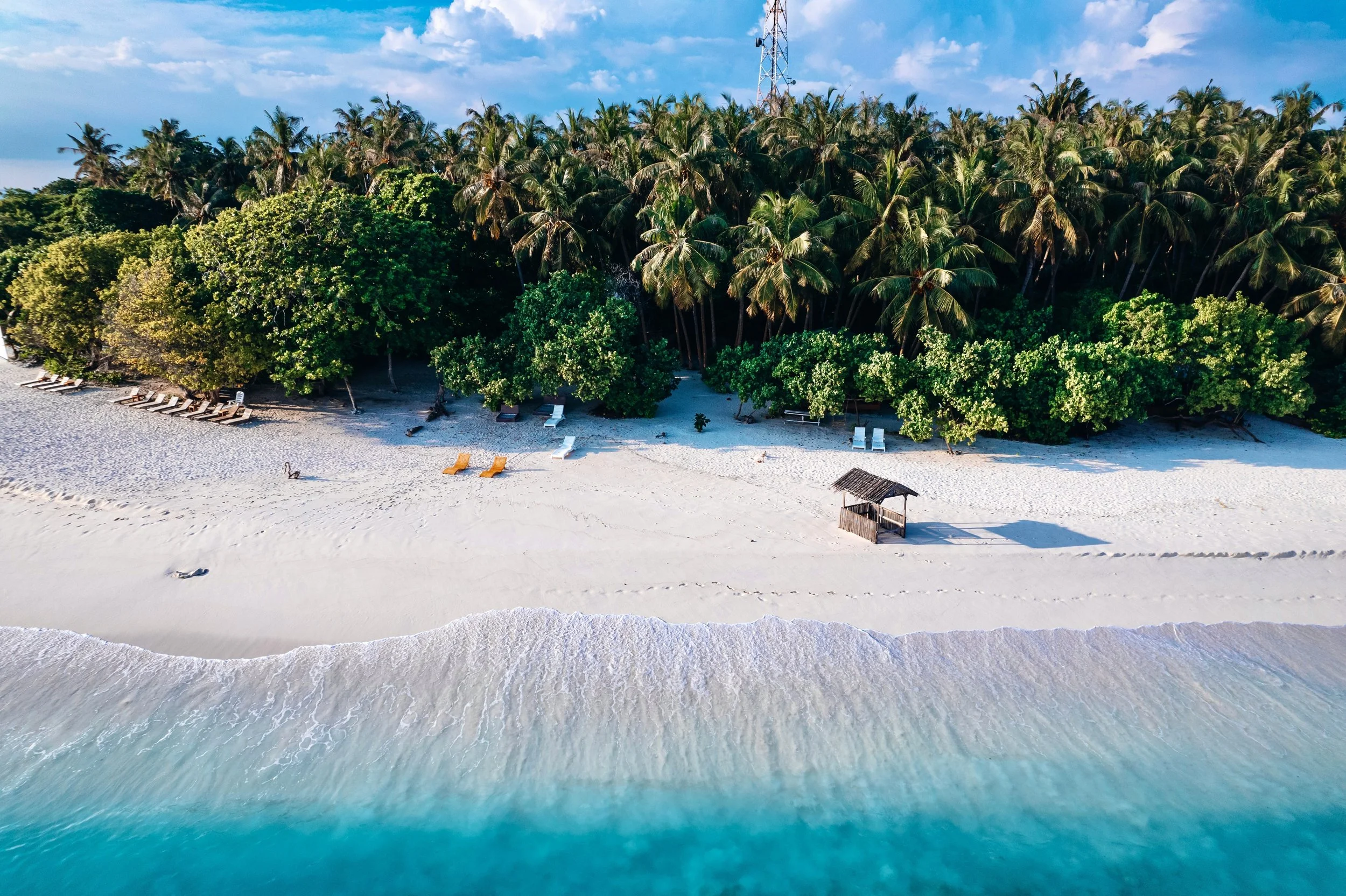
Finding Peace In The Philippines
A retreat in the Philippines became a quiet turning point where the sea, silence, and slow mornings helped me return to myself.
Have you ever had something happen repeatedly in your life, as if the universe was trying to tell you something?
It’s a clear sign that it’s something you truly desire.
I had a wonderful retreat in Italy, but my first retreat was in the Philippines, exploring places like Cebu City, Bohol, Palawan, Puerto Princesa, Nacpan Beach, El Nido, Coron, and Manila.
What the Philippines is known for are its “Desert Islands” — countless small, uninhabited islands and atolls, some with little vegetation. We spent 16 days traveling among these islands, making it the longest trip I have ever lived on a boat. I spent so much time snorkeling and diving that I felt like I was still underwater even when I was sleeping!
A retreat is a powerful opportunity for deep soul-searching.
I never knew I was such a crazy, courageous, and adventurous person until this trip. There’s nothing more exciting than playing, laughing, and sharing moments with amazing and inspiring people.
A retreat is truly a random adventure that brings unexpected joy.
10 Unforgettable Moments from My Retreat in the Philippines
Endless Adventures — Every moment was filled with fun, excitement, and incredible experiences.
Total Disconnection — Without my phone or laptop, I was free from distractions. Life became simple, peaceful, and truly present.
Strangers Turned Family — I met random strangers who became lifelong friends.
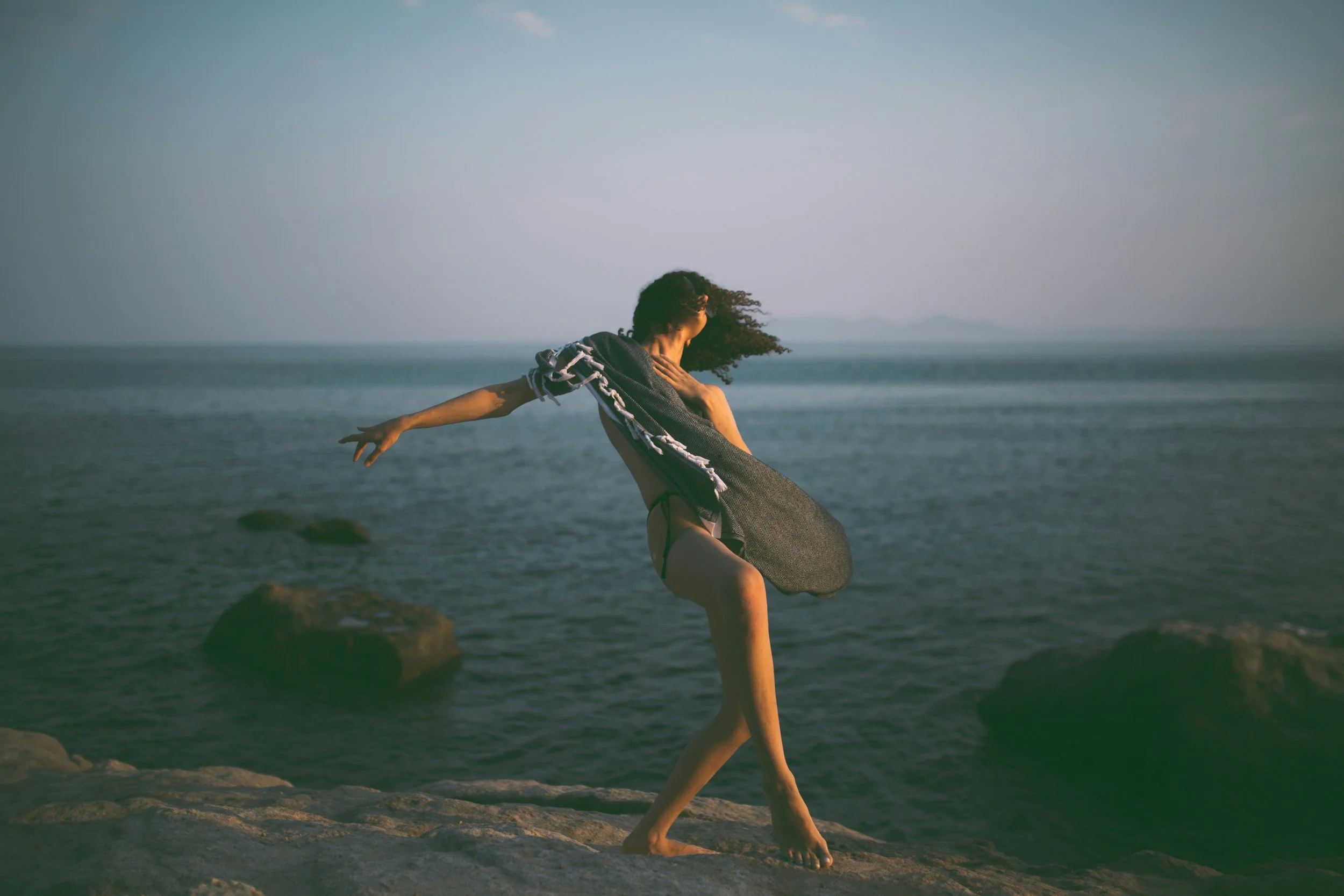
Dancing as a Soft Skill: How Movement Transforms Us
Movement teaches what words can’t. Through dance, we learn presence, resilience, and the quiet confidence that grows from within.
When we think of soft skills, we often list communication, adaptability, or emotional intelligence. Have you ever thought of dancing as one?
Dancing is more than a hobby — it’s a form of self-expression, a stress reliever, and a surprising teacher of soft skills like confidence, presence, flow, and collaboration.
Five years ago , I’ve fallen in love with dance. What started as a joyful escape quickly evolved into something deeper. It became a mirror, reflecting parts of myself I hadn’t seen before — like a bridge, connecting me with people across cultures and cities.
Through my travels in London, New York, Los Angeles, Amsterdam, and Italy, I discovered.
How dance thrives in public spaces, where creativity and community pulse together.
Compared to my dance experiences in Asia, this felt like stepping into a new dimension one that expanded not only how I danced, but how I lived.
What dance taught me about soft skills:
Play with rhythm — adapt quickly and embrace spontaneity
Energize movement — express with clarity and confidence
Master technique with joy — stay grounded while flowing freely
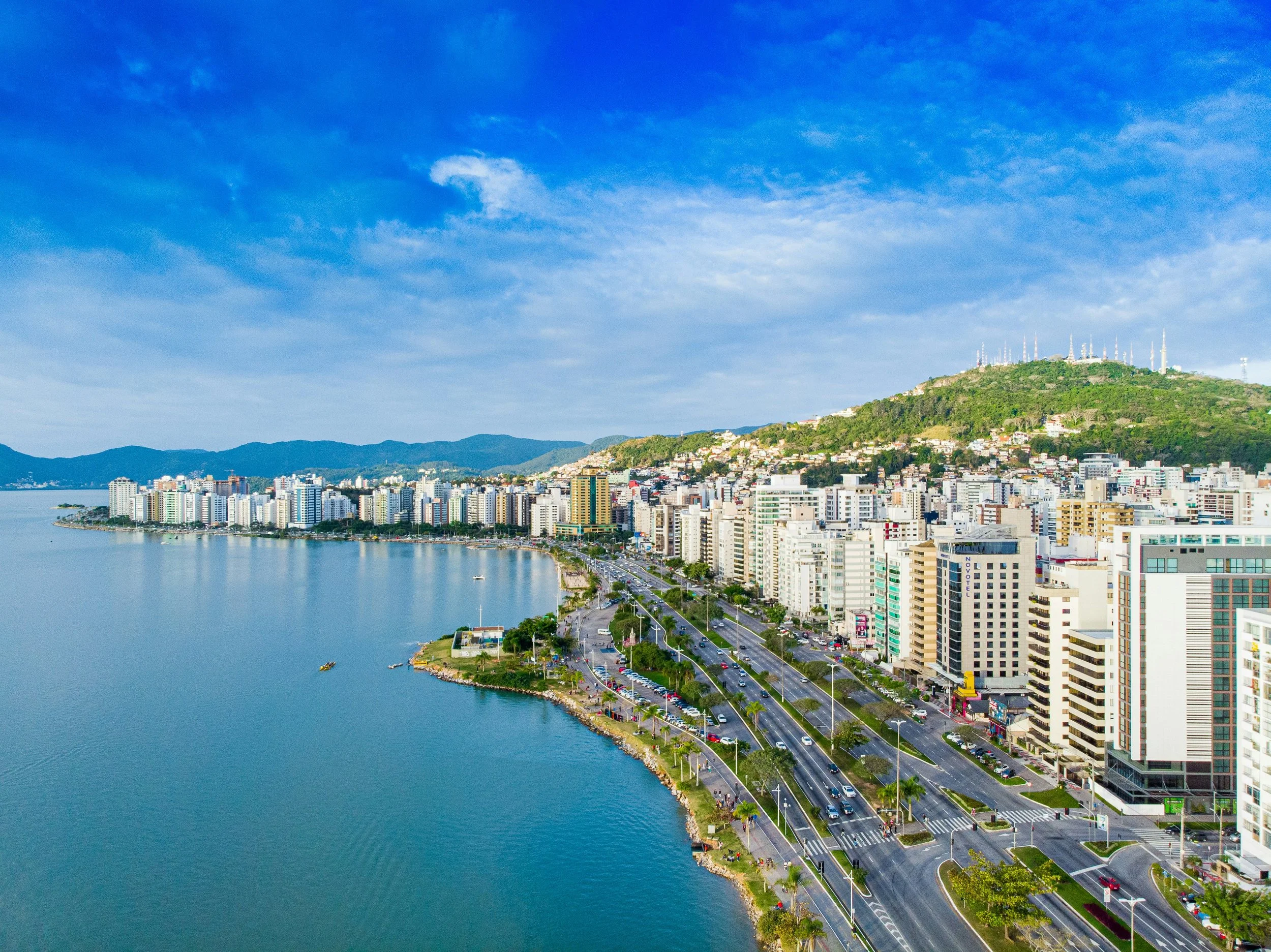
Gentrification’s Impact on Georgia’s Communities
Gentrification is reshaping communities across Georgia, changing streets, stories, and the everyday lives of people who have called these places home.
For sustainable travel, we must ask :
Who is at the heart of a place?
What’s important or needed for Georgians?
I’ve walked through neighborhoods that once told stories of resilience only to see them transformed into rows of cafes, condos, and rising rents almost overnight.
Gentrification isn’t just about new coffee shops, boutiques, co-working places or luxury apartments. It’s about the slow erasure of communities, identities, and cultural roots. When property values rise and longtime residents are pushed out,
What remains of a city’s soul?
In 2021, I was lucky to live in Batumi, Georgia for a real estate project. I spent a year exploring Georgia’s old towns and countryside, rich in natural beauty, history, and human warmth. Batumi, like many growing cities, faces a delicate challenge.
To ensure stable development and national security, the country needs more resources, infrastructure, and international capital. I understand the rationale behind expanding the city, inviting developers, businesses, foreign investors, and more affluent residents. But this also comes with consequences:
Rising costs, housing pressures, and cultural shifts that threaten to displace the very communities that make Georgia so irreplaceable.
For many Georgians, these changes are a mix of hope and uncertainty. After all, they’ve lived under the shadow of Russian influence for decades.
Increased tourism, digital nomads, and global attention bring new opportunities and a chance for international recognition, biodiversity, and cultural exchange.
As a digital nomad who deeply values the spirit of community, I believe in
Protecting Cultural Spaces that tell the true story of a neighborhood.
During my time in Georgia, I had the privilege of connecting with people who are devoted to preserving their heritage
Subscribe Now
Subscribe Now
A journal dedicated to community, humanity, and connection.
Through years of co-living and traveling, I collected stories of everyday people whose presence changed me not through romance, but through resonance.
This series is my way of honoring the human threads that quietly bind us together.