Learning to Live Alongside the World
For years, I believed independence meant needing very little from the world around me. But as I began rethinking my relationships with people, places, possessions, and the structures I once resisted I discovered another possibility. Perhaps belonging was never about giving up who I am to fit in. It was about learning to remain myself while making room for others. To be independent, without having to be disconnected.
Finding freedom within myself did not mean I no longer needed other people, places, or relationships. In fact, it led me to question those relationships more deeply.
For years, I had often understood independence as needing very little from others.
I was cautious about receiving help, uncertain about opportunities that seemed too generous, and sometimes uncomfortable with the obligations I imagined might follow.
I also tended to see established systems through the restrictions they imposed. Family expectations. Educational structures. Workplace hierarchies. Social conventions. But gradually, I began asking whether my experiences represented every possibility.
“Could a structure also offer protection?”
“Could belonging exist without losing individuality?”
“Could receiving support be part of a healthy relationship rather than a loss of freedom?”
“Could independence coexist with interdependence?”
These questions changed how I approached the world around me.
Rethinking What It Means to Belong
I started seeing relationships less as fixed roles and more as living processes.
Some grow.
Some change.
Some need distance.
Others become stronger through care, honesty, and time.
I also became more curious about my relationship with material things.
What did it mean to receive, own, share, or care for something?
“Why did certain opportunities feel exciting while others made me want to retreat?”
“What did I actually need to feel supported?”
These questions didn’t always lead to immediate answers. But they gave me more room to choose how I wanted to respond.
I found myself increasingly drawn to mutual respect, independence, differences that could coexist, and relationships where support could continue without becoming control.
Perhaps connection was never about giving up myself to belong.
It was about discovering how to remain myself while making room for others.
To be independent, without having to be disconnected.
From Waiting for Possibilities to Creating Them
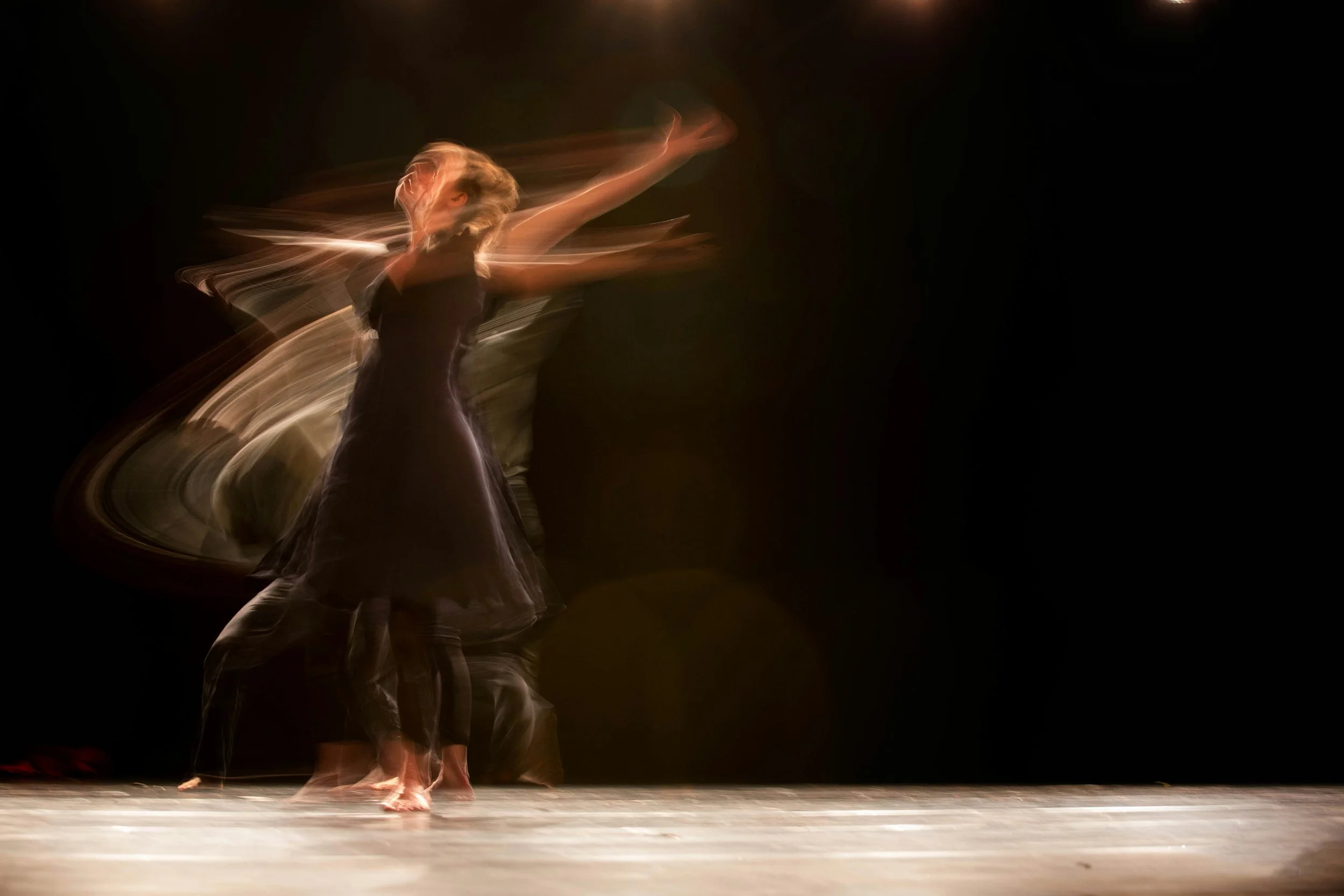
For a long time, I believed I needed the right circumstances, qualifications, or someone else’s recognition before I could begin living the life I imagined. But somewhere along the way, I began to see things differently. Through movement, creativity, small everyday rituals, and the freedom to make my own choices, I discovered that perhaps I didn’t have to wait for possibilities to appear. I could begin creating them myself.
One day, while sitting in a café near the 9/11 Memorial in New York, I wrote down three words:
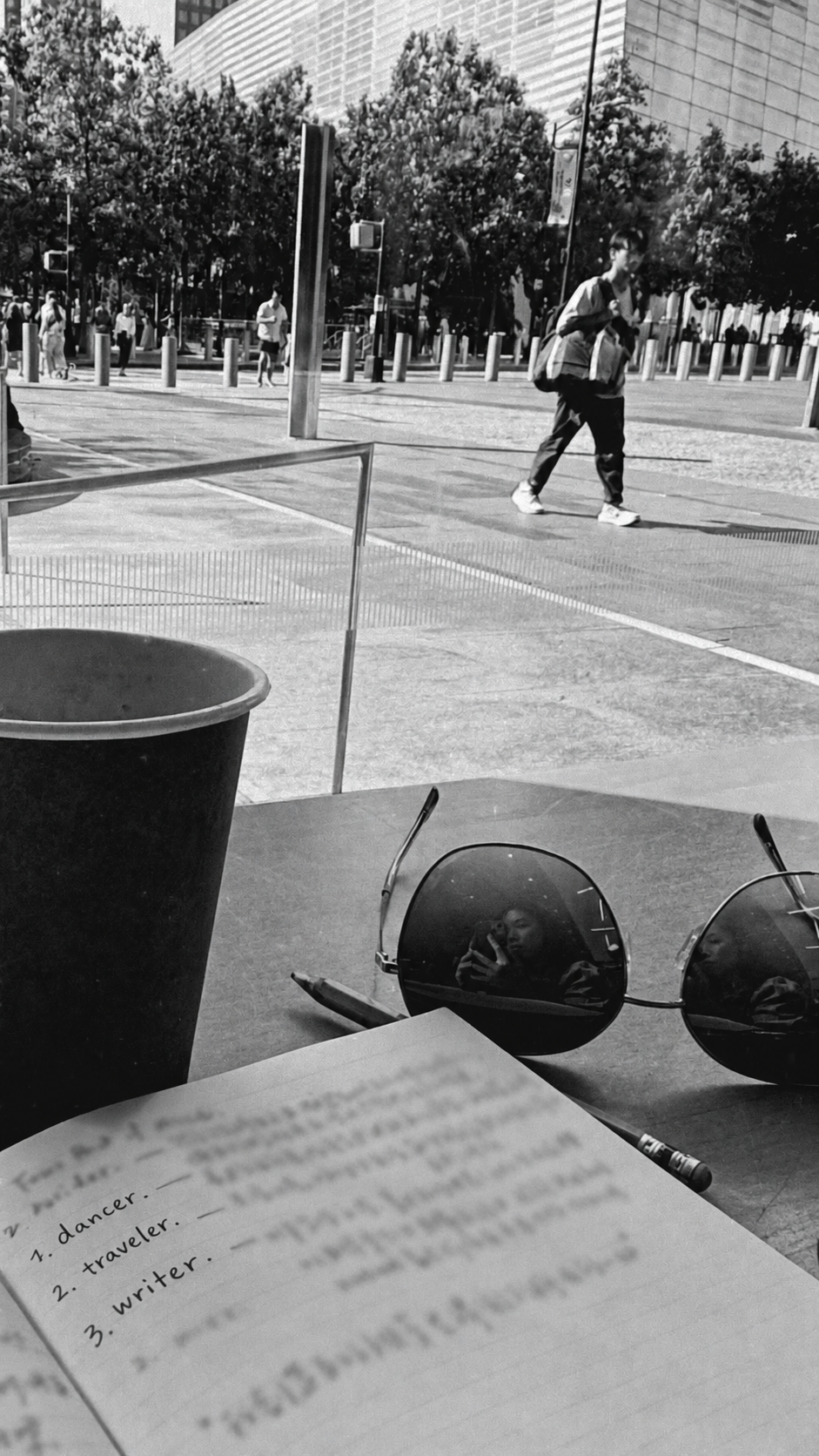
Dancer. Traveler. Writer.
They were not job titles I had earned, qualifications I had collected, or identities someone had given me.
They were simply things I loved doing.
Years later, I noticed how differently people perceived me.
Some thought I taught dance. Others assumed I was a travel writer, a journalist, or a full-time digital nomad.
Their assumptions made me realize something :
People often understand us through the parts of our lives they happen to see.
But what we love, practice, and continually return to may tell another story.
I began questioning the belief that I needed another title, qualification, or external approval before allowing myself to live creatively.
“ What would I still choose to do if no one paid me, recognized me, or gave me permission? “
For many things I loved, the answer was simple.
I would do them anyway.
And that became a starting point.
Creating the Conditions to Feel at Home
Moving frequently taught me to pay attention to details I had once overlooked.
A familiar wooden scent.
A small object I could carry.
The warmth of natural light.
The atmosphere of a café.
The space between two chairs.
A quiet corner where I could write, read, or create without interruption.
I began noticing how different environments affected the way I felt.
Rather than waiting to find the perfect place, I started experimenting with small ways to make unfamiliar surroundings feel more personal.
Sometimes through scent.
Sometimes through handmade objects.
Sometimes through the freedom to leave an unfinished idea on the table.
Creating Moments Just for Myself
I also began making room for small daily rituals.
A few minutes of movement.
A walk without a destination.
Time away from my phone.
A quiet morning surrounded by trees, birdsong, and running water.
None of these activities had to produce anything.
They were moments in which I could simply experience being alive.
And somewhere in that process, creating became more than making art.
It became a way of participating in my own life.
I was no longer only choosing from the possibilities in front of me.
I was beginning to create possibilities of my own.
The Moment I Stopped Searching
One day, I was sitting in a Japanese garden, drinking tea. The wind moved through the trees, brushing softly across the ground.
Nothing extraordinary happened around me. Yet something within me felt different.
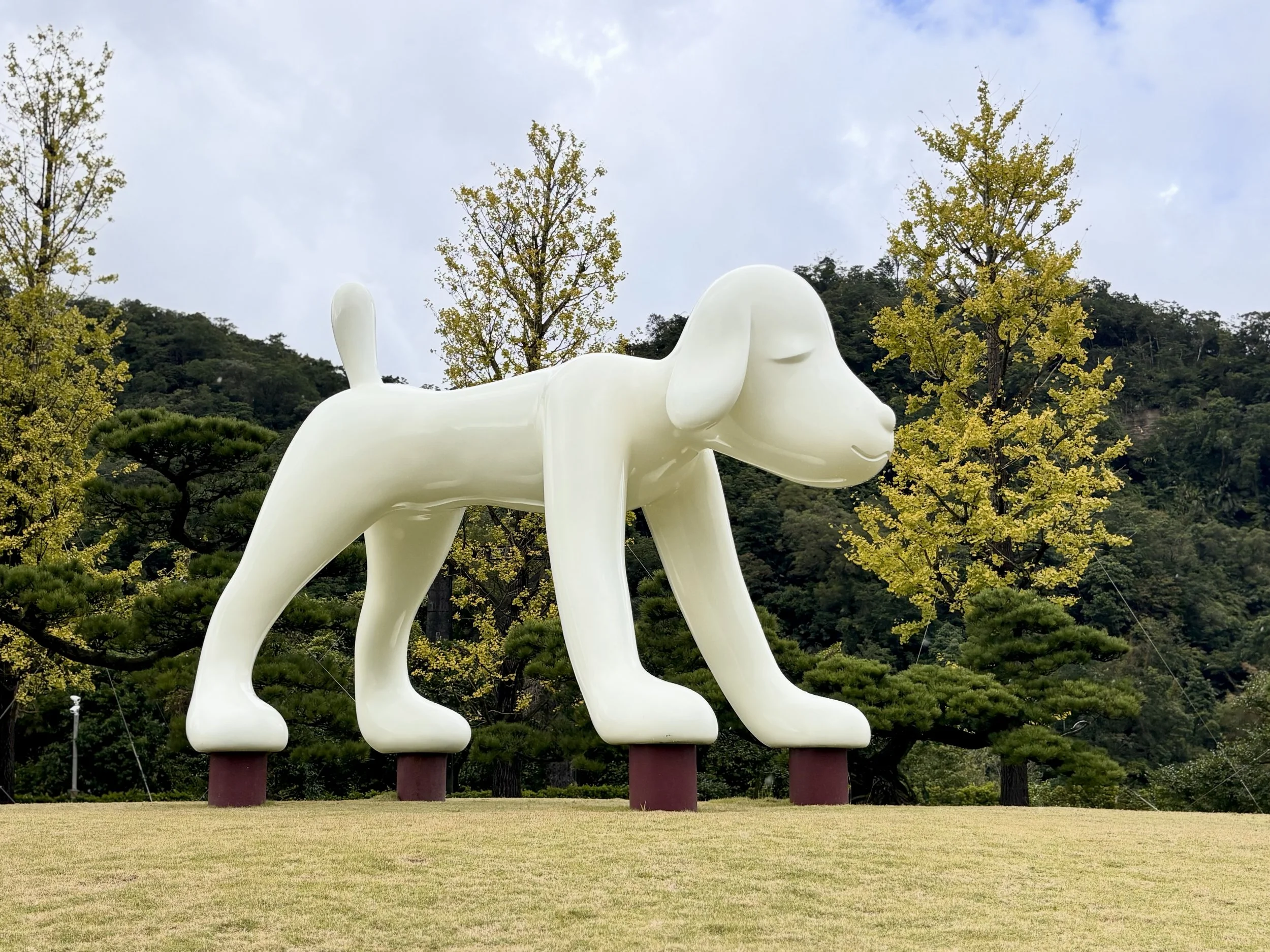
For the first time in a long while, I no longer felt the urgency to find the next place where I might belong. It was as though a small seed had finally emerged from the soil.
I realized that home had been growing within me all along.
Not as a replacement for a physical home, but as an inner foundation I could carry into whatever life came next.
Subscribe Now
Subscribe Now
A journal dedicated to community, humanity, and connection.
Through years of co-living and traveling, I collected stories of everyday people whose presence changed me not through romance, but through resonance.
This series is my way of honoring the human threads that quietly bind us together.